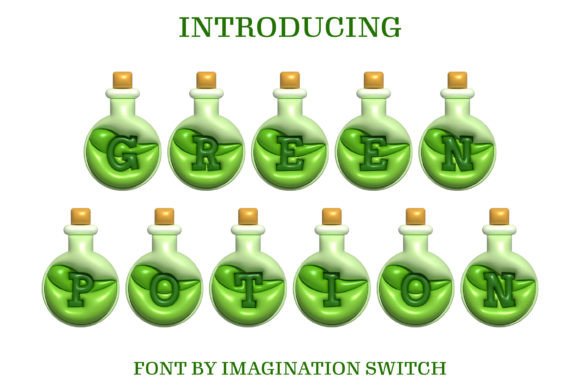
Green Potion: A 3D Typography Evaluation for Design Projects
In the evolving landscape of graphic design, typography serves as more than just a vehicle for text; it is a primary visual element that sets the tone for a brand or project. Green Potion represents a specific typographic approach characterized by its three-dimensional aesthetic and vibrant color potential. For designers, marketers, and content creators evaluating font options, understanding the specific attributes, applications, and limitations of this style is essential for making an informed selection. This article provides an objective analysis of Green Potion to help you determine if it aligns with your current design goals.
Defining the Visual Identity of Green Potion
At its core, Green Potion is a typographic creation designed to bring dimension and vitality to written characters. Unlike flat, two-dimensional typefaces that rely solely on stroke weight and spacing for impact, this font utilizes a constructed 3D style to create a convincing illusion of depth. This dimensional quality allows the text to appear as though it is rising off the page or screen, adding a layer of physicality to digital or print media.
The design philosophy behind Green Potion emphasizes engagement through visual complexity. By incorporating clever uses of color and shading within the character structures, the font achieves a dynamic appearance without requiring extensive post-processing by the designer. It comes complete with a full set of characters, including uppercase, lowercase, and numbers. This comprehensive character map ensures that designers can maintain consistency across headlines, subheaders, and body copy that requires emphasis, allowing for creative flexibility across various design styles.
Why Consider a 3D Typographic Style?
When evaluating whether to integrate Green Potion into a project, it is important to understand the psychological and functional reasons for choosing a 3D typeface over a standard sans-serif or serif option.
- Visual Hierarchy: The inherent depth of Green Potion naturally draws the eye. In layouts where immediate attention is required, such as event posters or product packaging, this font can establish a clear hierarchy without needing to increase font size disproportionately.
- Modern Aesthetic: There is a recurring trend in contemporary design that favors retro-futurism and neo-brutalism, both of which often utilize bold, dimensional typography. Green Potion fits seamlessly into these modern contexts, providing a fresh look that distinguishes a brand from competitors using flat design.
- Engagement: Static text can sometimes fail to capture audience interest in saturated media environments. The "vitality" mentioned in the font's description refers to its ability to feel active and energetic, which can increase viewer engagement time on digital platforms or dwell time on printed materials.
Practical Applications and Strong Fits
Green Potion is not a universal solution for every typesetting need, but it excels in specific scenarios where impact and personality are prioritized over neutrality. Understanding where this font shines is crucial for effective implementation.
Print Design and Marketing Collateral
The font is particularly well-suited for print designs such as posters, brochures, and flyers. In these mediums, the 3D effect can be enhanced by high-resolution printing techniques. For example, when used on a concert poster or a product brochure, the depth of the letters can mimic physical objects, making the design feel tactile. The full character set allows for versatile layout options, ensuring that dates, prices, and descriptive text can all share the same distinctive voice.
Digital Projects and Web Headers
In the digital realm, Green Potion offers a modern touch for web headers, social media graphics, and app interfaces. While load times and rendering must always be considered, the font's built-in dimensional styling means designers do not always need to apply complex CSS shadows or layers to achieve a 3D look. This can streamline the workflow for creating dynamic banners or landing pages that require a bold statement.
Branding for Youth-Oriented Markets
Brands targeting younger demographics often seek typography that feels energetic and unconventional. The "potion" aspect of the name suggests a sense of magic or transformation, which pairs well with industries like gaming, entertainment, beverage companies, or creative agencies looking to project innovation.
Tradeoffs and Design Considerations
While the benefits of Green Potion are significant, an objective evaluation requires acknowledging the tradeoffs involved in using a highly stylized 3D font.
Readability at Small Sizes: One of the primary constraints of dimensional typography is legibility. The intricate details that create the 3D illusion can become muddy or indistinct when scaled down. Therefore, Green Potion is generally unsuitable for long-form body copy or small footnotes. It is best reserved for display purposes—headlines, titles, and short calls to action.
Color Dependency: The description notes that the font relies on a "clever use of color." This implies that the font may lose some of its intended impact if rendered in strict monochrome or low-contrast environments. Designers must ensure that the background colors chosen provide sufficient contrast to maintain the depth effect.
Contextual Clashing: Because Green Potion has a strong personality, it can clash with minimalist or corporate-serious design systems. If a project requires a tone of absolute neutrality, such as legal documentation or formal financial reporting, a flatter, more traditional typeface would be a more appropriate alternative.
Decision-Making Insights for Selection
To determine if Green Potion is the right choice for your project, consider the following decision framework:
- Define the Goal: Is the primary goal to inform quietly or to announce loudly? If the latter, Green Potion is a strong candidate.
- Assess the Medium: Will the final output support high-resolution details? If the medium is low-fidelity (e.g., faxed documents or low-res email signatures), the 3D details may be lost.
- Evaluate Longevity: Trend-driven fonts can date a design quickly. Consider if the 3D aesthetic aligns with your brand's long-term identity or if it is intended for a short-term campaign.
- Check Compatibility: Ensure the font pairs well with your existing secondary typefaces. A bold 3D header usually requires a clean, simple sans-serif for body text to maintain balance.
Conclusion
Green Potion offers a distinct advantage for projects requiring depth, energy, and a modern visual sensation. Its comprehensive character set and built-in 3D styling make it a efficient tool for creating engaging print and digital assets. However, its effectiveness is contingent upon proper application regarding scale, color context, and overall brand tone. By weighing the need for dynamic visual impact against the requirements for readability and neutrality, designers can make a strategic decision on whether this typographic style will elevate their specific project or if a more subdued alternative is warranted. Ultimately, Green Potion is a powerful asset in the designer's toolkit when used with intention and precision.