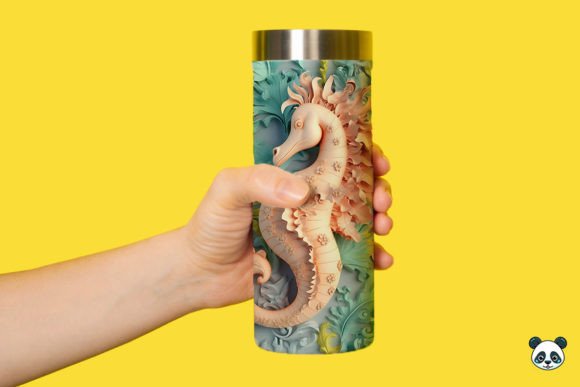
Mastering the Workflow with a 3D Seahorse Tumbler Wrap PNG for Professional Sublimation
In the competitive landscape of custom merchandise, the difference between a hobbyist project and a professional product often lies in the quality of digital assets and the efficiency of the production workflow. For creators specializing in drinkware, integrating a high-quality 3D Seahorse Tumbler Wrap PNG into your design process can significantly elevate the final output. This asset is not merely an image; it is a foundational component that dictates the visual depth, color accuracy, and overall appeal of a 20 oz skinny tumbler. Understanding how to leverage this specific type of digital file allows entrepreneurs and freelancers to streamline their operations, reduce waste, and deliver consistent results to their clientele.
Defining the Asset in a Production Context
A 3D Seahorse Tumbler Wrap PNG refers to a pre-sized, high-resolution graphic designed specifically for the curvature and dimensions of a straight, skinny tumbler. Unlike standard flat illustrations, these files are engineered with depth cues, shading, and layering that mimic three-dimensional forms, giving the seahorse a lifelike presence on the cylindrical surface. The inclusion of a transparent background is critical here, as it ensures that the design integrates seamlessly with whatever base color or pattern you choose for the tumbler itself.
When you acquire an instant digital download of this nature, typically containing a single ZIP file with a 300 DPI PNG measuring approximately 9.3 x 8.2 inches, you are receiving a tool optimized for sublimation printing. The resolution is paramount; 300 DPI (dots per inch) is the industry standard for ensuring that fine details, such as the texture of the seahorse's skin or the gradient of a watercolor background, do not appear pixelated when transferred onto polyester-coated substrates. This asset fits into the broader creative process as the central visual element around which the rest of the project revolves.
Pre-Production Planning and Compatibility
Before initiating the printing phase, effective planning ensures that the sea animal tumbler wrap aligns with your inventory and equipment capabilities. The first step involves verifying compatibility with your specific hardware. While the provided dimensions are tailored for a standard 20 oz skinny tumbler, slight variations in manufacturer specifications can occur. It is prudent to measure your blank tumblers physically and compare them against the 9.3 x 8.2-inch template provided in the download.
During this preparation stage, consider the interaction between the digital file and your sublimation printer profile. A 3D design often contains complex color gradients and shadows that require precise color management. If your printer profiles are not calibrated, the vibrant blues and teals typical of a sea animal watercolor theme may shift, resulting in a muddy appearance. Professionals often run test prints on standard paper before committing to expensive sublimation paper to verify color fidelity. This simple check prevents material waste and ensures that the "3D" effect translates correctly from screen to physical object.
Furthermore, organization plays a vital role in maintaining an efficient workflow. Upon downloading the ZIP file, immediately extract and archive the PNG in a structured directory system. Tagging files with metadata such as "Seahorse," "3D," "Skinny Tumbler," and "300 DPI" facilitates rapid retrieval for future orders. For small business owners managing hundreds of SKUs, this level of organizational discipline reduces the time spent searching for assets and minimizes the risk of using outdated or incorrect versions of a design.
Execution: From Digital File to Physical Product
The core of the workflow begins when you import the 3D Seahorse Tumbler Wrap PNG into your design software, such as Adobe Photoshop, Illustrator, or specialized sublimation tools like Cosmo or AcroRIP. Because the file is a PNG with a transparent background, it offers maximum flexibility. You can place the seahorse directly onto a solid color background, overlay it onto a separate sea animal seamless pattern, or combine it with text elements for personalized orders.
When working with a straight tumbler wrap PNG, attention must be paid to the seam allowance. Although many modern designs account for the overlap, understanding how the image wraps around the cylinder is essential. The 3D nature of the seahorse means that distortion near the edges can break the illusion of depth. Ensure that critical details of the design are centered within the safe zone, away from the extreme edges where the heat press clamps might cause slight blurring or where the wrap overlaps.
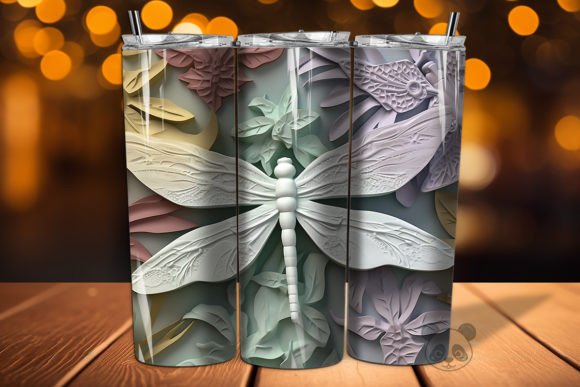
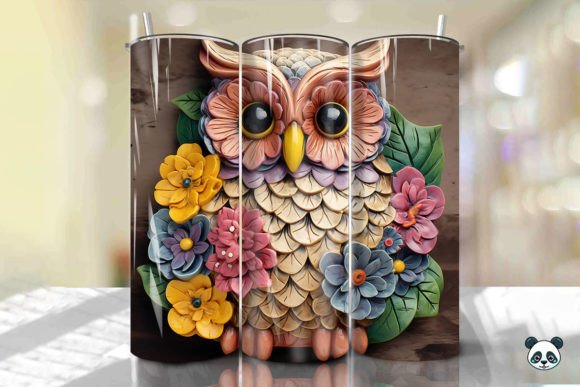
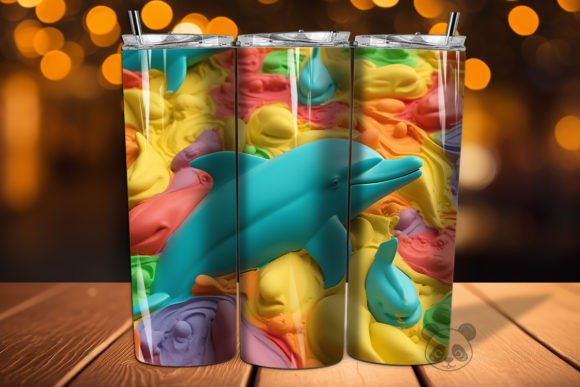
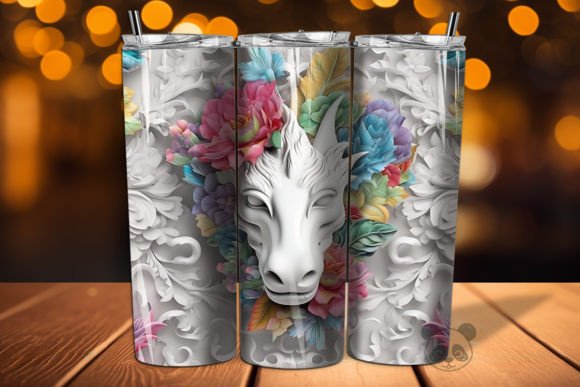
For those utilizing a sea animal background in conjunction with the main subject, layering techniques become important. Place the background pattern on the bottom layer and the 3D seahorse on top. This hierarchy allows you to adjust the opacity or blending mode of the background without affecting the crispness of the main subject. This method is particularly useful for creating cohesive collections where multiple tumblers share a theme but feature different focal points, such as a set including a seahorse, a turtle, and a dolphin, all sharing the same underwater aesthetic.
Quality Control and Post-Processing
Once the design is printed on sublimation paper and wrapped around the tumbler using heat-resistant tape, the pressing stage determines the final quality. The 3D tumbler wrap concept relies heavily on the even application of heat and pressure. Uneven pressure can lead to ghosting or faded areas, which is particularly noticeable in designs with subtle gradients like watercolor styles. Adhering to the recommended time and temperature settings for your specific tumbler brand is non-negotiable.
After pressing and cooling, a rigorous quality control inspection is necessary. Examine the transfer for any white specks, which indicate dust particles trapped during the press, or color shifts. The "3D" effect should appear sharp, with clear definition between the seahorse and the background. If the result appears flat, it may indicate an issue with the printer's ink density or the press temperature rather than the digital file itself. Documenting these outcomes helps in refining the process for subsequent batches.
Long-term usability of these digital assets extends beyond a single project. A well-executed sea animal 3D seamless pattern can be repurposed for other products, such as mouse pads, phone cases, or tote bags, provided the resolution remains sufficient for the new dimensions. By treating the 3D Seahorse Tumbler Wrap PNG as a versatile module within a larger library of assets, creators can maximize their return on investment. This approach supports scalability, allowing businesses to expand their product lines without constantly sourcing new designs from scratch.
Strategic Integration for Business Growth
Integrating these digital downloads into a business model requires more than just printing; it involves strategic positioning. For marketers and bloggers, showcasing the versatility of the sea animal skinny tumbler design through high-quality photography can drive engagement. Highlighting the 3D aspect in product descriptions helps customers visualize the premium quality of the item. Educators and workshop leaders can use these files as teaching tools to demonstrate advanced sublimation techniques, such as handling complex gradients and transparent layers.
Ultimately, the value of an instant digital download lies in its ability to accelerate the path from concept to commerce. By selecting assets that are technically sound—offering the correct dimensions, resolution, and format—professionals eliminate common bottlenecks. The 3D Seahorse Tumbler Wrap PNG serves as a reliable building block, enabling creators to focus on customization, customer service, and business expansion rather than troubleshooting file errors. Whether you are fulfilling a bulk order for a corporate event or creating unique pieces for an online boutique, mastering the workflow surrounding these assets is key to sustainable success in the sublimation industry.