Evaluating Relaxing Landscapes Stained Glass Digital Assets for Creative Projects
In the evolving world of digital crafting and graphic design, selecting the right visual assets can significantly impact the quality and efficiency of a project. For creators focusing on serene themes, Relaxing Landscapes Stained Glass designs have emerged as a versatile resource. These digital collections typically feature high-definition imagery that mimics the intricate leaded glass patterns found in traditional architecture, applied to calming natural scenes like forests, mountains, and lakes. Understanding what these bundles offer, how they compare to other design styles, and where they fit best in a creator's workflow is essential for making an informed decision.
Defining the Aesthetic and Technical Specifications
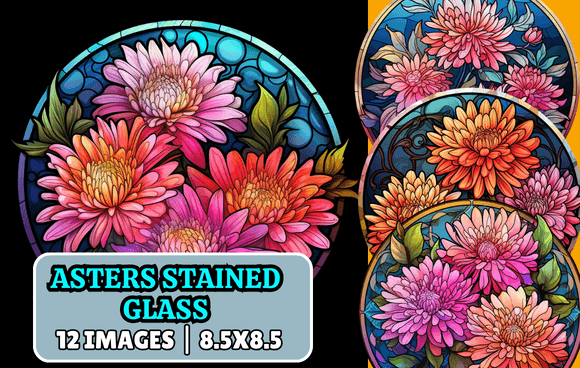
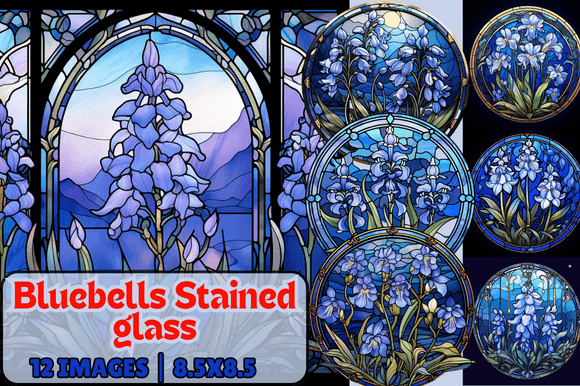
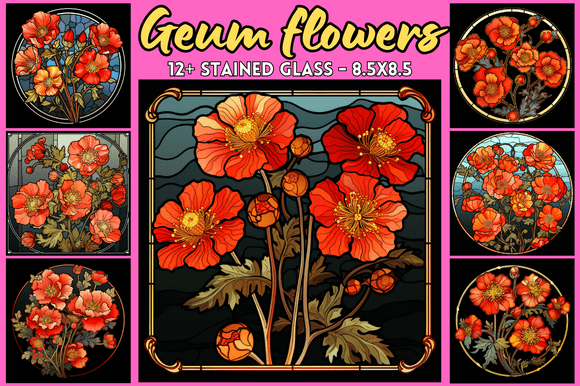
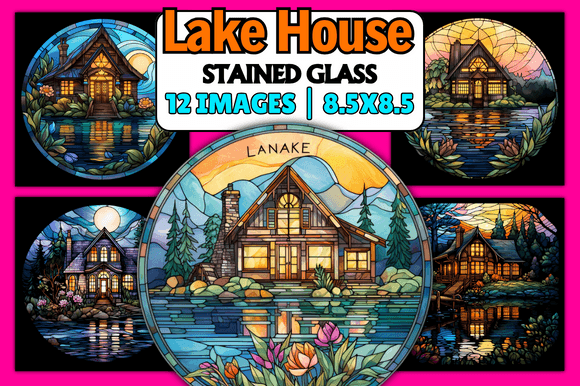
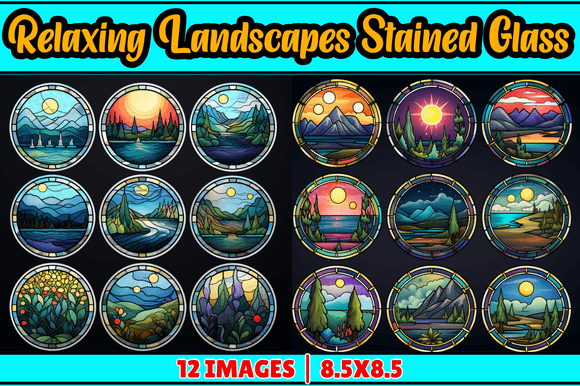
At its core, a Relaxing Landscapes Stained Glass pack is a curated set of digital files designed to replicate the look of handcrafted stained glass without the need for physical materials. Unlike standard photographs or flat vector illustrations, these designs incorporate specific visual cues: bold black outlines representing the lead came, vibrant translucent color fills, and often a textured overlay to simulate glass depth.
When evaluating a specific bundle, such as one containing 12 HD images, the technical format is just as critical as the artistic style. High-quality packs usually provide files in both PNG and PDF formats. The PNG format is indispensable for digital layering because it supports transparency, allowing the design to be placed over various backgrounds without a white box surrounding it. This is particularly useful for sublimation projects, such as wrapping acrylic tumblers or decorating mugs, where the design must blend seamlessly with the product's base color. Conversely, PDF files are often preferred for print-on-demand applications, ensuring that the resolution remains crisp when scaled for larger formats like wall art or greeting cards. The standard dimension of 8.5" x 8.5" found in many bundles offers a square aspect ratio, which is highly adaptable for social media posts, coaster designs, and specific craft templates.
Comparative Analysis: Stained Glass vs. Other Design Styles
Creators often weigh Relaxing Landscapes Stained Glass against other popular aesthetic categories. Understanding the trade-offs between these styles helps in selecting the right tool for the job.
- Vs. Watercolor and Oil Paintings: While watercolor landscapes offer softness and fluidity, they lack the structural definition of stained glass. If a project requires clear separation of colors for cutting machines (like Cricut or Silhouette) or distinct layers for sublimation, the bold lines of stained glass designs provide a significant advantage. Watercolors can sometimes blur when printed on certain substrates, whereas the high-contrast nature of stained glass ensures clarity.
- Vs. Minimalist Line Art: Minimalist designs are trendy and clean but may feel too sparse for projects needing visual weight, such as full-wrap tumbler designs or statement wall art. Stained glass patterns fill the space with color and texture, creating a more immersive "window" effect that minimalist line art cannot achieve alone.
- Vs. Photorealistic Images: Photos offer ultimate realism but can struggle with consistency across different products. A photo of a forest might look great on a poster but lose detail on a small sticker. Stylized stained glass illustrations maintain their integrity regardless of scale, making them more reliable for varied applications like stationery and scrapbook decorations.
Practical Applications and Best-Fit Scenarios
The versatility of Relaxing Landscapes Stained Glass assets lies in their adaptability across multiple mediums. However, not every project benefits equally from this style. Here is a breakdown of ideal use cases based on the unique properties of these designs.
Sublimation and Hard Goods
One of the strongest use cases for these bundles is in sublimation printing. The "Straight Tumbler Wrap Png" and mug-specific designs leverage the vibrant, saturated colors typical of stained glass. Because sublimation dye bonds with polymer coatings, the bright hues in these digital papers translate exceptionally well, avoiding the washed-out look that sometimes plagues pastel designs. The 3D background elements included in some packs add depth, making the final product appear less flat and more dynamic.
Paper Crafts and Stationery
For physical crafts, the high-resolution PDF and PNG files serve as excellent bases for greeting cards, invitations, and gift wrapping. The "colorful design" aspect ensures that printed materials stand out on shelves or in mailboxes. Furthermore, these images work well as collage elements in scrapbooking. Users can layer the stained glass textures over journaling cards or use them as focal points in planner spreads. The square 8.5" x 8.5" format is particularly convenient for creating uniform sticker sheets or die-cut embellishments.
Digital Design and Web Assets
Beyond physical goods, these assets function effectively as digital overlays. Designers can use the transparent PNGs to create "stained glass window" effects in digital invitations or website headers. The "Stained Glass Overlay" capability allows for creative compositing, where a user might place a landscape design over a solid color or a subtle gradient to create a custom background for a blog or social media campaign.
Limitations and Decision Factors
While Relaxing Landscapes Stained Glass bundles offer numerous benefits, they are not a universal solution. Prospective users should consider several limitations before purchasing.
Style Specificity: The stained glass look is distinct and stylized. If a brand or project requires a hyper-realistic or corporate aesthetic, these colorful, illustrative designs may clash with the overall tone. They are best suited for hobbyist markets, spiritual or wellness-themed products, and seasonal decor rather than formal business communications.
Customization Constraints: Most pre-made bundles come as flattened images or limited layers. While they are perfect for "plug-and-play" usage, they may not offer the same level of editability as a raw vector file (SVG) where every single line and color segment can be moved independently. If a user needs to drastically alter the composition of the landscape—such as moving a tree from the left to the right—they may find raster-based PNGs restrictive compared to fully editable vector illustrations.
Resolution Dependencies: Although labeled as "HD," users must verify the DPI (dots per inch) if they intend to print large-format wall art. A design optimized for a 4-inch coaster might pixelate if stretched to 24 inches without proper upscaling techniques. Always check the native resolution of the files included in the pack.
Making the Right Choice for Your Workflow
Deciding whether to invest in a Relaxing Landscapes Stained Glass collection depends largely on your current project pipeline and target audience. If you are a crafter looking to expand your product line into home decor, tumblers, or seasonal gifts, these assets provide a high-value shortcut. They eliminate the need to create complex textures and lighting effects from scratch, allowing you to focus on production and marketing.
However, if your primary need is for highly customizable vector graphics for logo design or precise cut-files for vinyl lettering, you might need to supplement these raster images with dedicated SVG tools or vector-specific libraries. The ideal approach for many professionals is a hybrid one: using stained glass bundles for finished decorative elements while relying on vector tools for structural design components.
Ultimately, the value of these bundles lies in their ability to evoke a sense of calm and nostalgia through familiar artistic tropes. By offering a ready-to-use library of colorful, textured, and high-quality images, they empower creators to produce professional-looking results efficiently. Whether used for a single custom mug or a full series of planner stickers, understanding the strengths and boundaries of these digital resources ensures they are utilized to their fullest potential.