Unlocking the Charm of Farm Life Stained Glass for Your Next Creative Project
There is a distinct warmth to rustic aesthetics that modern digital designs often struggle to replicate. The Farm Life Stained Glass collection taps into this nostalgia, offering creators a bridge between traditional craftsmanship and modern digital convenience. Whether you are wrapping a gift for a neighbor, designing a custom tumbler for your small business, or adding a touch of country charm to your planner, these assets provide a vibrant foundation. However, diving into digital stained glass resources without a clear plan can lead to frustrating results. Many enthusiasts rush to download and print, only to find their final product lacks the clarity or durability they envisioned. By understanding the nuances of file formats, resolution requirements, and application techniques, you can ensure your projects look as professional as the previews suggest.
Understanding the Versatility of Digital Stained Glass Assets
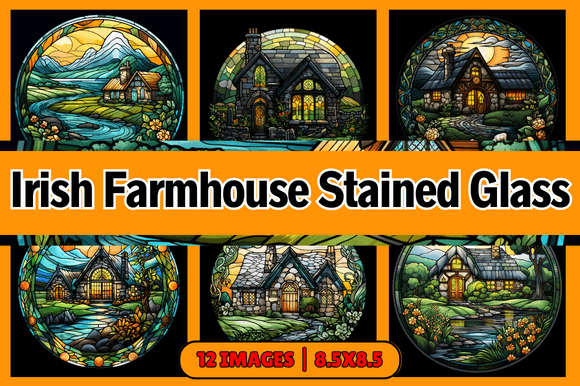
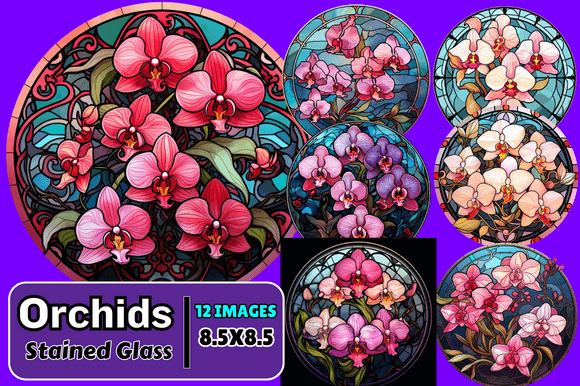
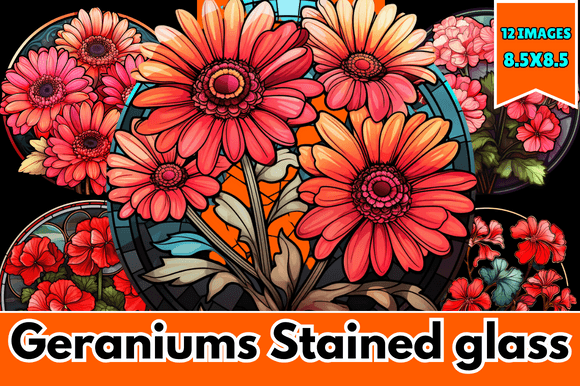
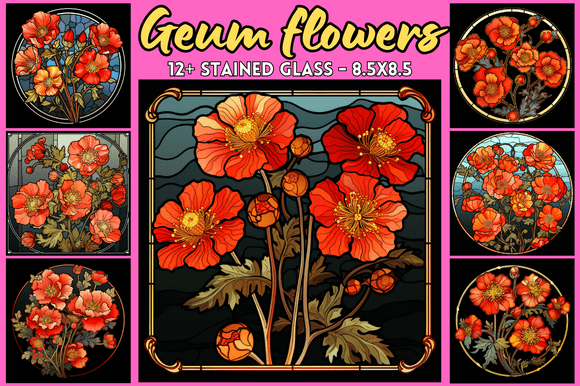
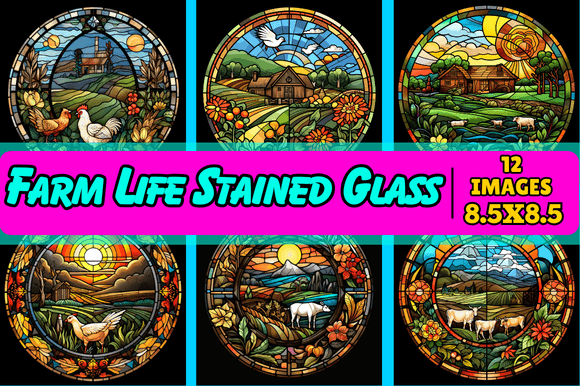
At its core, this collection is more than just pretty pictures; it is a toolkit for diverse applications. The bundle typically includes 12 HD images in both PNG and PDF formats, sized conveniently at 8.5" x 8.5". This specific sizing is intentional, catering to standard paper dimensions used in home printing and crafting. The "stained glass" effect mimics the look of leaded glass with vibrant, colorful segments, making it ideal for projects where light interaction or high-contrast visuals are desired. From gift wrapping and greeting cards to scrapbook decorations and stickers, the potential uses are vast. For entrepreneurs, these designs serve as excellent elements for acrylic tumbler wrapping or custom stationaries. The key lies in recognizing that a single design can be repurposed across multiple mediums if handled correctly.
Common Pitfalls in File Selection and Usage
One of the most frequent mistakes creators make involves misunderstanding the difference between raster and vector-based needs, even when working with high-quality PNGs. While the Farm Life Stained Glass files are provided in high definition, treating them as infinitely scalable vectors can lead to pixelation. If you attempt to stretch an 8.5" x 8.5" image to cover a large wall mural or a oversized banner without checking the DPI (dots per inch), the crisp lines of the "glass" panels will become blurry. This compromises the quality and presentation of your work. Always verify the resolution before scaling. For large-format projects like wall art, it is often better to tile the design or use the PDF version if your printer supports vector scaling, rather than forcing a raster image beyond its limits.
Another overlooked detail is the background transparency. Many users assume all PNGs come with transparent backgrounds ready for layering. While this collection is designed for versatility, failing to check the specific file properties can result in unwanted white boxes around your stained glass clipart when placing them on colored backgrounds or dark mugs. Before committing to a batch of invitations or planners, open a test file in your editing software. If a background exists, use a simple selection tool to remove it. This small step prevents the amateurish look of a white halo around your colorful designs, ensuring a seamless integration into your 3d design mockups or physical crafts.
Navigating Material Compatibility for Physical Crafts
When moving from screen to physical object, material compatibility becomes critical. A common error occurs when applying these designs to straight tumbler wraps or acrylic tumblers. Users often print on standard printer paper and apply it directly, expecting a glossy, glass-like finish. Without a protective overlay or the correct sublimation process, the ink can smear, fade, or peel. For Stained Glass Digital Paper used in tumbler wrapping, consider using waterproof sticker paper or applying a clear epoxy resin coat after printing. This not only protects the colorful design but also enhances the "glass" illusion by adding depth and shine. Similarly, for scrapbook decorations or stickers, using cardstock instead of thin paper ensures the structural integrity of the cutouts, especially if they are being handled frequently by children or used in interactive planners.
Furthermore, lighting plays a crucial role in how stained glass artwork is perceived. Designs intended for suncatchers or window panels rely on light transmission. If you print these on opaque cardstock for a window display, you lose the defining characteristic of the style—the way light passes through the colors. For these specific applications, print on vellum, transparency film, or specialized translucent paper. Conversely, if the design is for a mug or a solid surface where light does not pass through, standard high-quality photo paper yields richer, more saturated colors. Matching the medium to the intended visual effect is a simple yet often ignored step that drastically improves satisfaction.
Optimizing Workflow for Small Business and Educators
For small business owners and educators utilizing these assets, efficiency is paramount. A frequent bottleneck is disorganized file management. With a pack containing multiple formats like SVG, PDF, and PNG, mixing them up can waste valuable time during production. Create a dedicated folder structure on your computer: separate subfolders for "Print Ready," "Web Use," and "Cut Files." When preparing for a Cricut project, ensure you are using the correct file type for the machine's software. Using a complex PNG for a cut job when an SVG is available can lead to jagged edges and excessive weeding time. Leveraging the right format for the right tool streamlines your workflow, allowing you to produce stationaries, invitations, or stained glass ornaments faster and with greater precision.
Educators creating coloring designs or classroom decor should also consider the color intensity. The Farm Life Stained Glass collection features vibrant, full-color illustrations. If the goal is to create a coloring page for students, simply printing the colored version defeats the purpose. Instead, use image editing software to desaturate the image or convert it to a line-art style before printing. This transforms a decorative asset into an interactive educational tool. Additionally, when creating collage sheets for student projects, arrange multiple elements on a single 8.5" x 11" sheet to minimize paper waste. This practical approach reduces costs while maximizing the utility of the Stained Glass Pattern Collection.
Making Informed Decisions Before You Start
Before downloading or purchasing any digital asset, including this Farm Life Stained Glass bundle, take a moment to define your end goal. Are you creating something temporary like a party invitation, or something permanent like a tumbler wrap? Do you need the files for commercial resale, or just personal hobby use? Reviewing the license terms is essential to avoid legal issues down the line. Once your goals are clear, perform a test print. Print one sheet on the exact paper you intend to use for the final project. Check the color accuracy, the sharpness of the lines, and how the ink sits on the material. This "prototype" phase saves money and materials in the long run.
Ultimately, the value of this collection lies in its ability to inspire and facilitate creativity. Whether you are crafting a stained glass mosaic effect for a digital blog post or cutting out intricate shapes for a physical ornament, the results depend on your attention to detail. By avoiding common technical errors, respecting material limitations, and organizing your workflow, you transform simple digital files into stunning tangible creations. Embrace the rustic charm of farm life aesthetics, but back it up with smart crafting practices to ensure every project shines.